
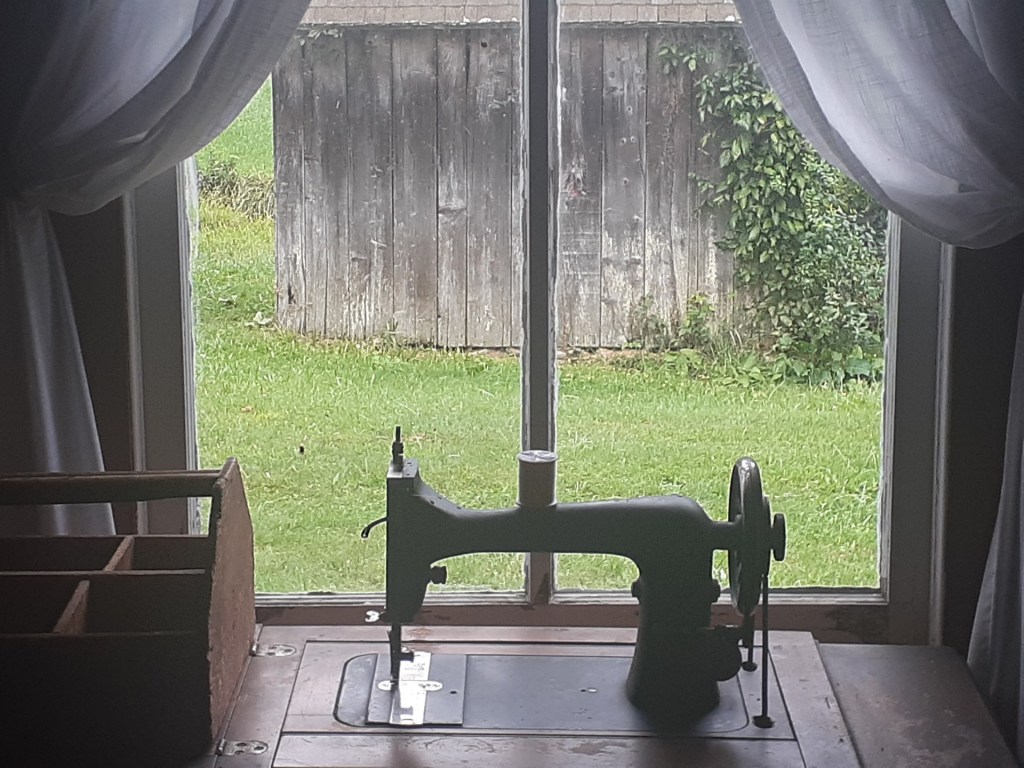
Photo credit: K.J. McDaniel
Dear Readers,
These thought-provoking poems on the theme of change encapsulate the cosmos—in Christopher Buckley’s words, this “un-shining stuff . . . a dust we have yet to define,” or, in Sandy Feinstein’s succinct phrase, “this primal stew”— as well as the earth, where Layla Sabourian Tarwe asks a question of the sea: “Will light finally rise above the long patience of darkness?” Kevin J.B. O’Connor signals cautious optimism with his discovery of “sanity sprouting unexpectedly from grace,” and Claude Clayton Smith puts a cap on it, believing “futures are still possible,” singling out “the Earth . . . life’s blue pearl,” declaring “our lives are like fossil prints everywhere.”
Peace&Hope,
K.J. McDaniel, Founder and Editor
Nancy Dillingham, Associate Poetry Editor
Featured poets: Christopher Buckley, Bill Cushing, Sandy Feinstein, Mel Kritikopoulos, David Lee, Kevin J.B. O’Connor, David Ram, Layla Sabourian Tarwe, Claude Clayton Smith
__________________________________________________________________________________________
Teleology & Birds
All morning, sparrows in the bougainvillea have been debating
without settling a thing. What more would I know if the chattering
beggars of the world could get along for a minute, if I were a small
breeze in the coral trees, or a few more sea-notes passing by?
Unlike spice finches or starlings, my hope looks inconsolable—
all that we desire doing us in. Even if I flew to Ecuador and
climbed Mt. Chimborazo, what hope is going to stand up against
the dark drifting down outside of any consolation, no matter how
close I get to the stars? 200 billion galaxies, hit and miss, like
so much bird seed, scattered, slapdash pecks of light far past any
prima facie evidence, leaving us in a troposphere expecting hand-outs,
left-overs from angels’ emptied plates. I can’t see to the source of
anything more than a fusion of oxygen, nitrogen, and argon into
the sea-brined estuaries of our blood that let us breathe. I speak
with bush tits and juncos, think of Dark Energy humming invisibly
out there, the un-shining stuff of the cosmos holding us together,
a dust we have yet to define—like one more angel fallen from grace—
his star-colored blood on the spines of ice plant, that one I’ve seen
on the shoreline in his beard and baseball cap, notebook and pen,
parsing spindrift, refuting a calculus of waves, an emissary that
knows us as nothing but phosphorus, H2O, and ash, just the industrious
occasions of cause and effect we claim to be. The sky rolls out its
cage of light—nothing to save us from nothing, if that’s what’s there—
nothing to do but take a place, along the glittering limbs of space. 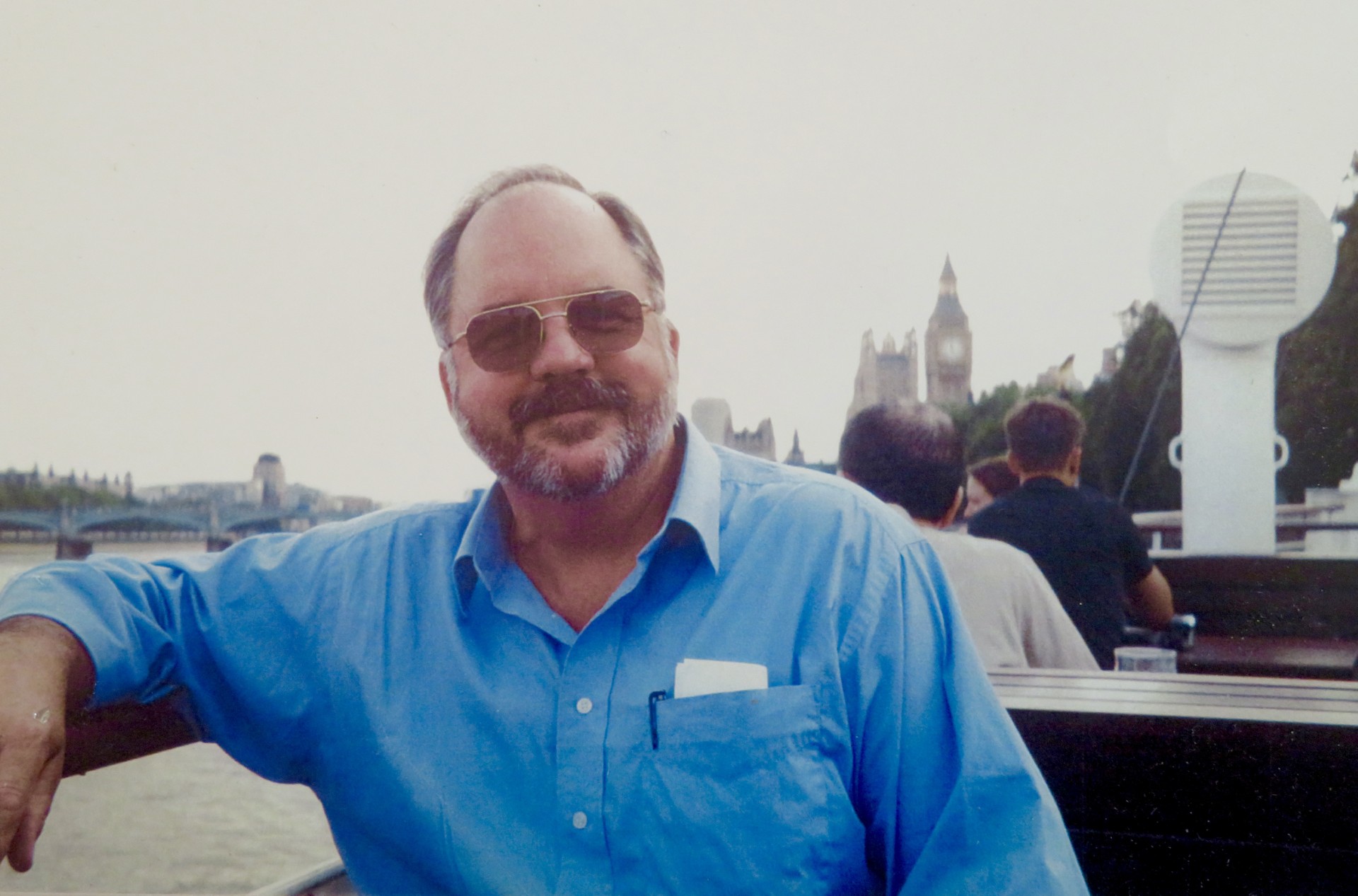
Christopher Buckley's SPREZZATURA is published by Lynx House Press, 2025. His work was selected for Best American Poetry in 2021. He is the recipient of a Guggenheim Fellowship in Poetry, two NEA grants, a Fulbright Award in Creative Writing, and four Pushcart Prizes. Most recently he edited NAMING THE LOST: THE FRESNO POETS—Interviews & Essays. EARLY & LATE will be published by CLOUDBANK BOOKS later in 2026.
___________________________________________________________________
Corporeal. Ethereal. Final

Once I concede my ability to agonize
over knowing my own demise,

a questionable gift given through the odd
and gruesome grace of God,

life turns into mourning time
in the astral projection booth

of this mundane playground
where there is no fountain of youth.

I become the mote in Buddha’s eye
after a psychotropic butterfly rubs my cheek

infecting me with psychedelic slime.
Straddling the midpoint of infinity,

I nestle into a nap, wrapped and warm,
coiled within an elephant’s ear.

I’m living in this sack of skin
holding ragged breath, blood, innards, and shit—

waiting for the hour I consummate my fear
as all burns, then collapses into an ashpit.
Called the “blue collar poet” by classmates after returning to school at 35, Bill Cushing’s work has appeared in various publications. Bill has five previous poetry collections: A Former Life (Kops-Fetherling International Award), Music Speaks (San Gabriel Valley Poetry Festival Award, New York City Book Award), “. . .this just in. . .” and Just a Little Cage of Bone (American Writing Award finalist). His latest title is The Beast Inside.
__________________________________________________________________
Forecasts

The sky looks white, illuminated
by an invisible sun, overcast
the meteorologist calls it
without explanation—
cloudy without differentiation,
not clear, as if the sky were a seer,
or writer, a vestige, perhaps,
of cast bones, cut open birds, stars,
read or said to be read:
an overthrow into the primal stew
where father and son,
Chronos and Zeus vied
behind clouds,
and only lightning shows
their wars, ravaged lands,
the fallen, as thunder crashes
prophetic
of the weather
and change.
Distractions

A belted kingfisher rattles
as it takes off from a sycamore
I hadn’t noticed until
its wings beat a softer call.

The wind blows hard and cold
against the calendar,
earth tilts into spring.
I watch the bird.

Nearby a lone male merganser
swims as if without direction
not far from a trio of wood ducks.
The dark water is shallow.

Four turtles sun on a log,
motionless, their shells dry.
They don’t worry the time,
guiltlessly idle, unaware.

A great blue heron scans
the frothy white ripples
for invisible fish and frogs
undistracted even as I stare.
Sandy Feinstein's chapbook from Penumbra Press appeared in 2021 and her micro-chapbook of poetry and prose in 2026, https://www.artistsfrommaryland.org/march-2026-sandy-feinstein-micro-feature/. Last year Willows Wept nominated one of her poems for a Pushcart Prize.
___________________________________________________________________
Late-October pear

It is the end of October. Your lips taste like the last
Pear of the season.

We watch the sky blot itself grey. A blanket
Of snow keeps the tips of the mountains
Warm. They glow in this frigid season.

The whole world is turning grey. Your lips
Glow in it. Bursting pink with life like the trees
That turn behind you.

The last pear of the season is wet and soft.
It’s flesh and skin are rotting in a final
Display of existence. It cannot be bitten. Only
Gummed through, a soft surrender.

The last pear of the season is messy.
Reckless abandon as it jumps the ridge line
Of my lips and drips itself down my chin. A
Taste like light— bursting and glowing in the grey
Cave of a mouth.

The last pear of the season never lasts long enough.
It slips into taste too quickly, too easily. It lingers.
Long enough to kick me sideways, blind me in its glow.

And at the end of October it is gone
With the leaves. The mountains and the sky are grey

And glowing. Blinded and full of pears, I can only find
Your bright lips, pink and bursting, even after the end of October, Glowing in the grey.
The comeback

Eucalyptus leaves try their earnest
Best to sound like rain. I stretch my
Back against planks of their wood
Rendered useful, it is dark. I can see

Only the silhouette of eucalyptus
Shrouding a sky full of stars.
Beside me is the breathing of a
Brother, the hum of his throat so

Soft in the evening, a reminder of a
Calm I too often take for granted. I
Strain my eyes at stars unchanged in
The two years since I’ve seen them,

And wonder if they can recognize me.
Me, who blew them blind kisses from the
Third floor balcony of her first apartment.
Whose world stood still for a moment,

Watching them soar across their inky ocean
With first love’s heart blooming on her sleeve.
Who sobbed with her grief in her arms as
They twinkled blindly under a fogged-over sky.

Who gazed at their absence in the face of a
supermoon alongside nascent lover. Who lays
Beside her brother now, heart bruised beyond
Recognition, giddy at the sight of another

Shooting star, a secret butterfly in her stomach.
I wonder if they laugh at my amazement. If they
Find it charming how I note their routines as if
They were signs, as if it mattered whether I watched

Them at all. I wonder if they think there’s a point
To noticing that eucalyptus leaves try to sound like rain.
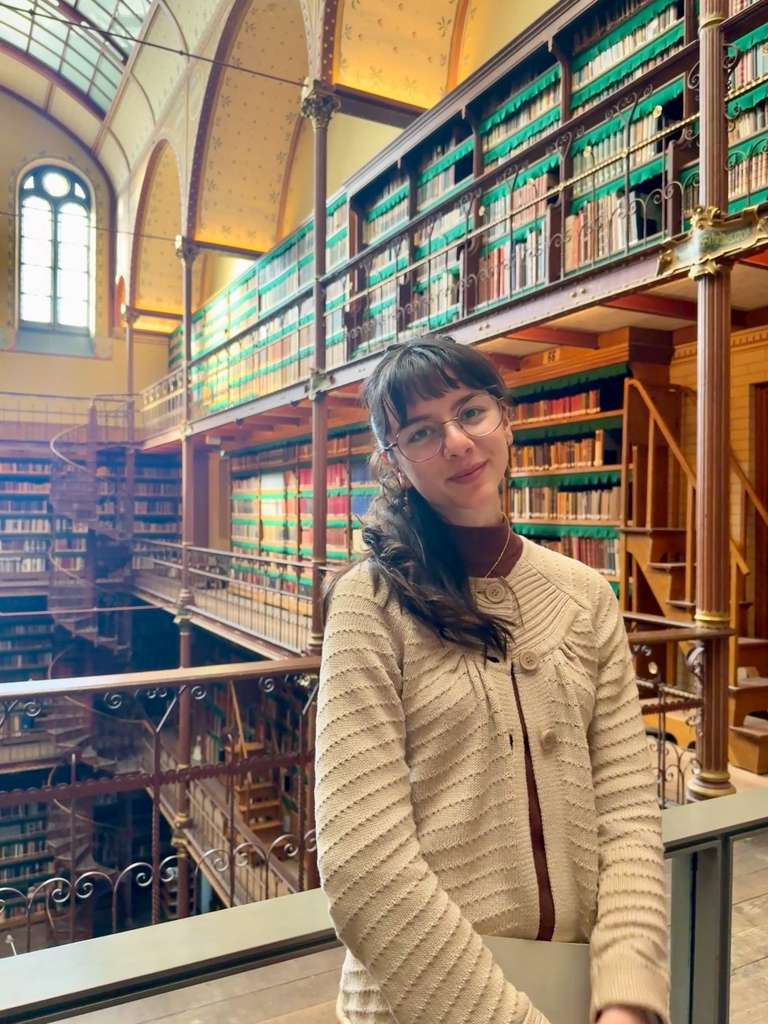
Mel Kritikopoulos is a poet and educator. A Bay Area native, Mel calls on her mixed-race ancestry and queer identities to explore legacy, life, and the absurdity of being a young adult through poetry and prose.
____________________________________________________________________
What Turns Back Before It Breaks

They return on time:
geese cutting a ragged geometry
through a sky that hasn’t chosen a season.
The doctor said the word carefully,
as if language itself
could worsen it.
I nodded
like someone accepting weather.
Outside: same cars,
same wind worrying trash
across the lot.
Nothing had changed yet.
That was the first lie.
Weeks later, the geese arrive:
loud with certainty,
their bodies fluent in distances
mine has begun to mistrust.
I watch them settle into the field,
unapologetic in their return.
One breaks formation:
circles back—
as if called by something
the others outflew.
I understand that now:
not the leaving,
but the interruption.
How you think you are moving forward
until something inside you refuses:
not fear, not doubt—
something older,
turning you midair
toward a place you cannot name
but recognize
as the last direction
that still feels like yours.

David Anson Lee is a physician, philosopher, and poet from Texas, born on the Pine Ridge Indian Reservation. His work appears in Braided Way, Ink Sweat & Tears, Eunoia Review, and other journals. Blending medicine, memory, and landscape, his poetry traces change as a lived, bodily experience: where resilience is quiet, and transformation rarely announces itself.
___________________________________________________________________
Mock Orange, after Glück

Nothing rhymed with “orange,” nothing happened at the end
of poems I couldn’t comprehend. I didn’t think,
but a coil of words wrapped around my neck,

and hers, drifting in the window like smoke.
Students claimed boredom, deflating like silver balloons,
doomed zeppelins. Her starkness stunned:

ardor—poppies growing in gasoline cans,
cold feet, the departed shipped to foreign lands,
books distributed through grocery stores, offices, planes.

I grabbed Averno while Glück queried me about baseball.
As if existence were a birthday candle, she signed:
Best wishes. Desiring her fate, I, too, wrote poems
about gardens, leading, in a subterranean manner
to this state, feeling flattened, azalea-like—
pink, sanity sprouting, unexpectedly, from grace.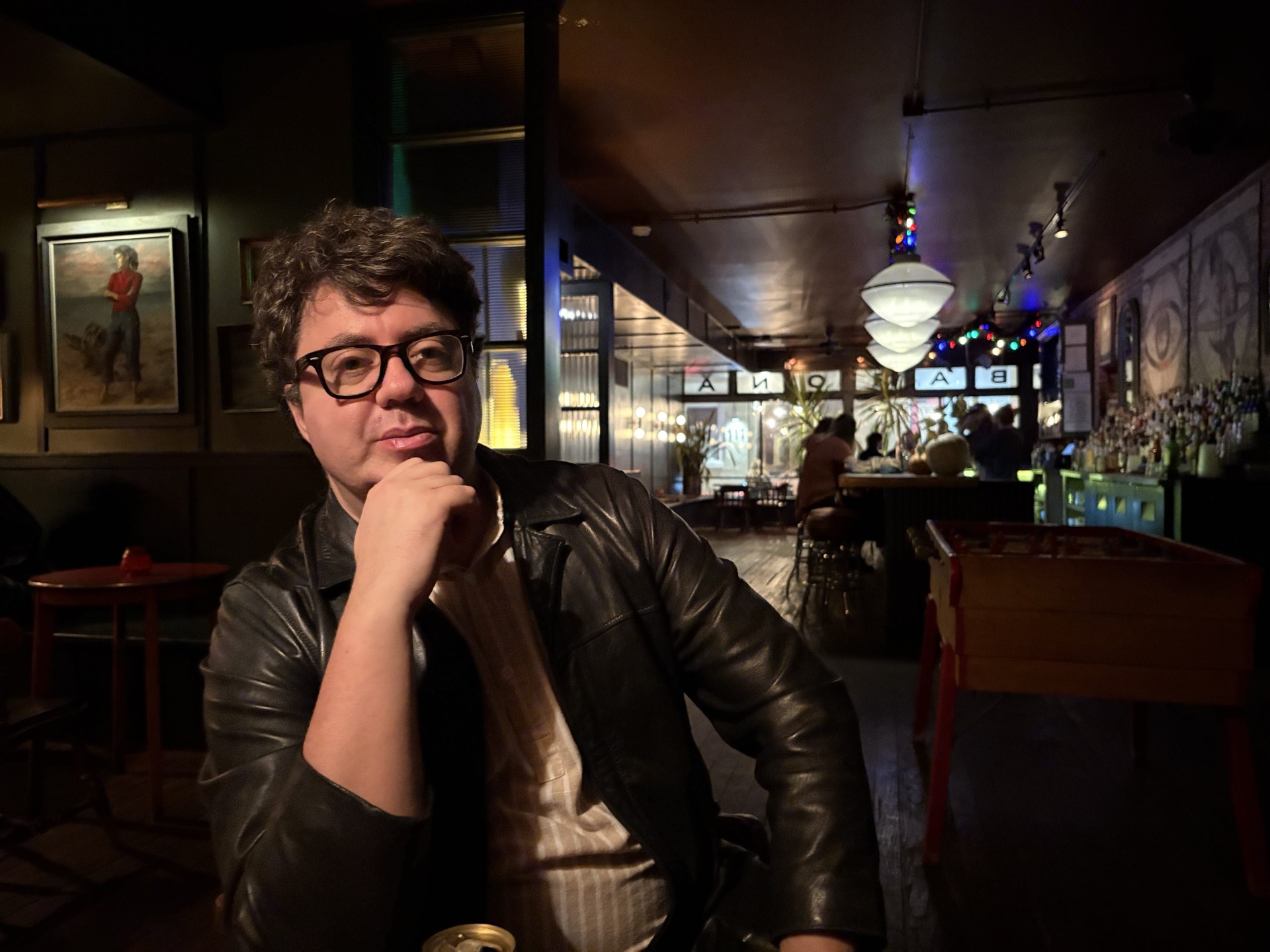
Kevin J.B. O'Connor received his MFA from Old Dominion University. He has work forthcoming in North Dakota Quarterly, Action, and Spectacle. He lives in Lexington, Kentucky.
_________________________________________________________________
The Front Room

They laid you out in the front room at home,
the one reserved for Christmas and birthdays
where grownups gossip and let us kids play.
When we have no mourners left to welcome,

I stand on the kneeler and try to pray,
but your powdered face and beaded hands
encourage me to touch and understand:
despite my bargaining, you cannot stay.

When I accept your God does not pretend,
the fragrant Madonna lily bouquets
explode, disappearing far and away
beyond where anyone can comprehend.

In your armchair, I mope and miss your hugs,
counting strands in the oriental rug.

The Thinker Revisited

Years after you quit Red Sox radio,
chewing tobacco and crossword puzzles,

I see you in bed that very last time.
My little league uniform fails to cheer

you up, and you catch not a single word
I say or so it seems. You could not turn

or talk even if you wanted, explains
my mom.  Struck in the fetal position

beneath your knitted blanket, you appear
to contemplate the empty plaster wall.

With grandkids of my own, I imagine
you cast in bronze like Rodin’s Le Penseur,

not shrouded in that Hopedale nursing home
but displayed near a Paris museum.
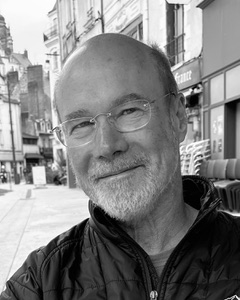
David Ram’s recent poems appear in Amethyst Review, Gargoyle Magazine, Meat for Tea, Valley Voices, The Orchards Poetry Journal, Stone Poetry Quarterly, and elsewhere. Professor emeritus of English at Greenfield Community College, David enjoys living in the Pioneer Valley of western Massachusetts, where he practices writing, rowing and grandparenting.
__________________________________________________________________
Tides of Change:

Tonight the sea outside Benalmádena moves like a page turning
in the dark.
Waves arrive, erase themselves, begin again.
Water understands change better than memory.

I watch the tide and think of my first sea,
the distant blue body of the Caspian,
where I was born in a country that lives inside me like a second heartbeat.
I left its mountains. I crossed continents.
But Iran crossed with me.
It lives in my blood, in the quiet language of wind.

Tonight I ask the sea a question:
Will light finally rise over the long patience of darkness?

The waves do not answer.
They only return, again and again,
like the stubborn rhythm of change itself.

Perhaps this is what the ancient waters knew.
Perhaps this is why the old Persians imagined a goddess
in every river.
I whisper her name into the wind:
Anahita.

Keeper of flowing things, guardian of tides and turning worlds,
carry my country gently through this dangerous crossing.
Let light travel farther than fear.

The sea grows quiet.
Somewhere in the dark another tide is forming.
And I believe this:
no night lasts forever.
Even the longest exile eventually reaches morning.


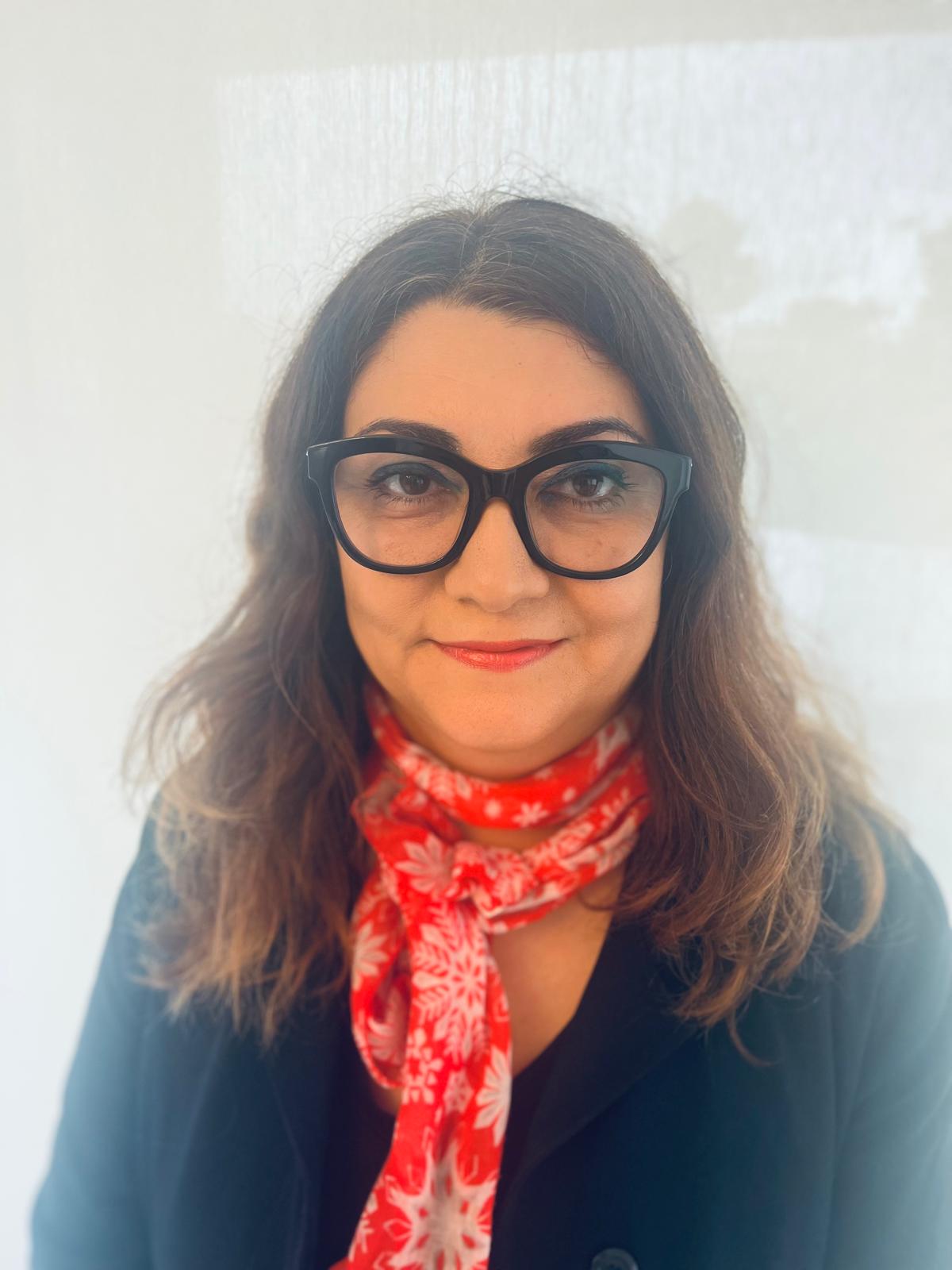
Layla Sabourian Tarwe is an entrepreneur, author, and accidental nomad who turned exile into a career and displacement into disruption. Her poetry collection Whispers of Iran is forthcoming from Seis Letras (Spain).
_________________________________________________________________
Kenning

If radiation kills, we stand no chance
when future weapons fly at us at will,
when photographic negatives breakdance
on walls in Nagasaki burning still,
our lives like fossil imprints everywhere.
So what to do lest politicians talk
as mushroom clouds sprout high in heated air?
The least of us will bluster, if not balk,
when called to cast a vote on what comes next.
To think we have a voice is not naïve—
demented people think that we are hexed—
but let the last among us yet believe
that what we started lies within our ken,
that futures still are possible just then.

The Trial

Exile is more than a geographical concept.
—Mahmoud Darwish

The Earth itself is exiled—locked in space
and time, condemned to drift and float and swirl
with far-flung foreign systems; to embrace
black holes, star death, extinction—life’s blue pearl,
the Big Bang’s freak. Napoleon escaped
from Elba; gravity can’t hold us here.
But only bleak volcanic worlds, raped
of air, await beyond our cosmic bier.
Though Elba proved no fortress, Waterloo
ensued. St. Helena produced a tomb.
If not Napoleon, then tell me who
will teach us to forsake such finite gloom?
Consider life itself as purest exile,
the universe another stony trial.

Iambic World

 It’s difficult to grasp the universe,/
to measure time itself: relentless foe/
of minds that come from dust; relentless curse,/
each beat assured, your heart a drum; a woe/
unlike the galaxies have seen—unless,/
across the eons lost to time, a mind/
unlike our own, with keener sense, can guess/
the pain we feel, and hear our noise behind/
the cosmic screen of matter dark, with light/
so bright it blinds; to let us know that all/
is well, that spondees also atomize quite/
consciously what cannot here enthrall./
And so, unstinting, poetry of thought/
can rescue endless life from life of naught./
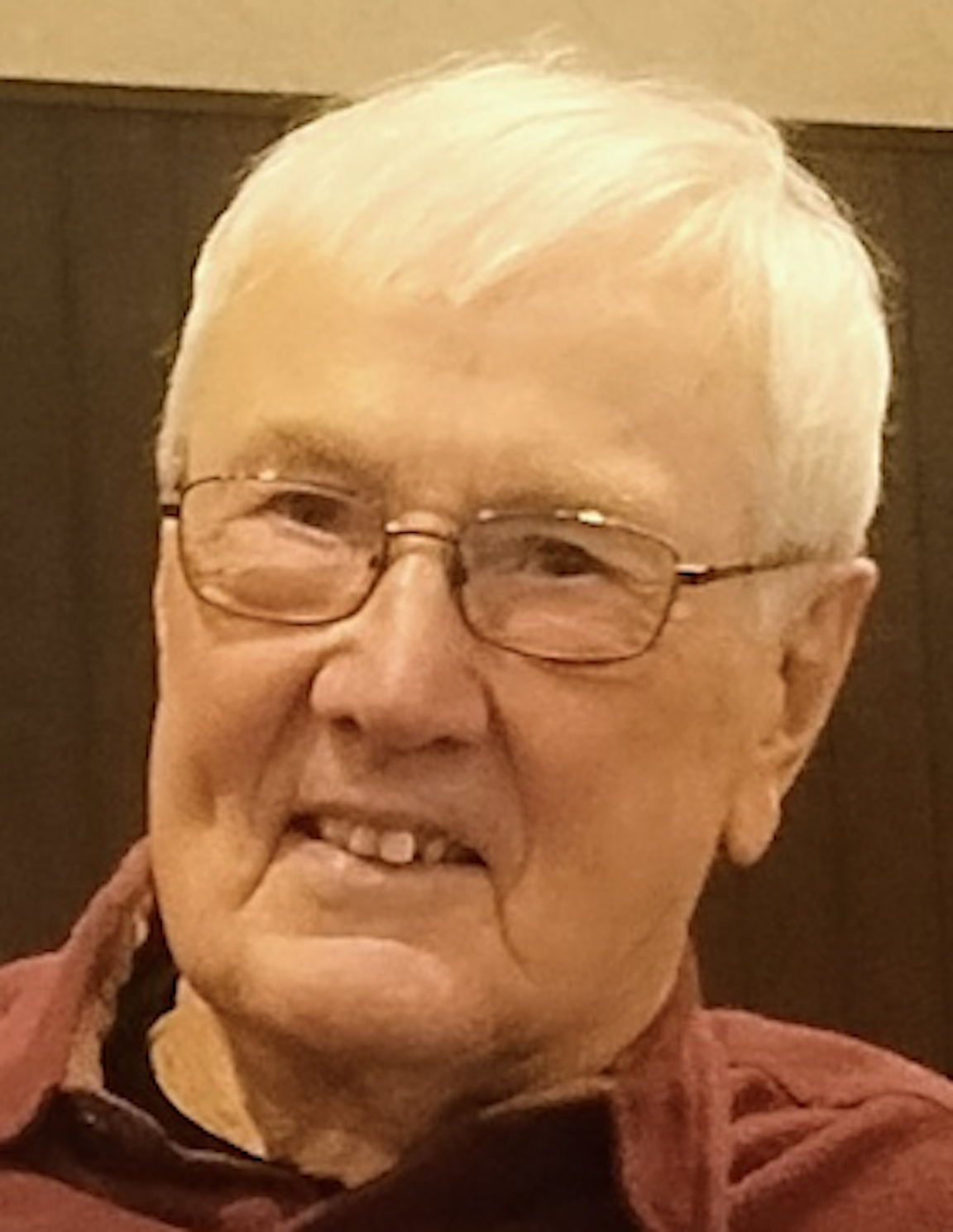
Professor of English, Emeritus, Ohio Northern University, Claude Clayton Smith is the author of eight books and co-editor/translator of four. His books have been translated into five languages, including Russian and Chinese. Among his advanced degrees is an MFA from the Iowa Writers’ Workshop. For further information, visit his website: claudeclaytonsmith.wordpress.com.

